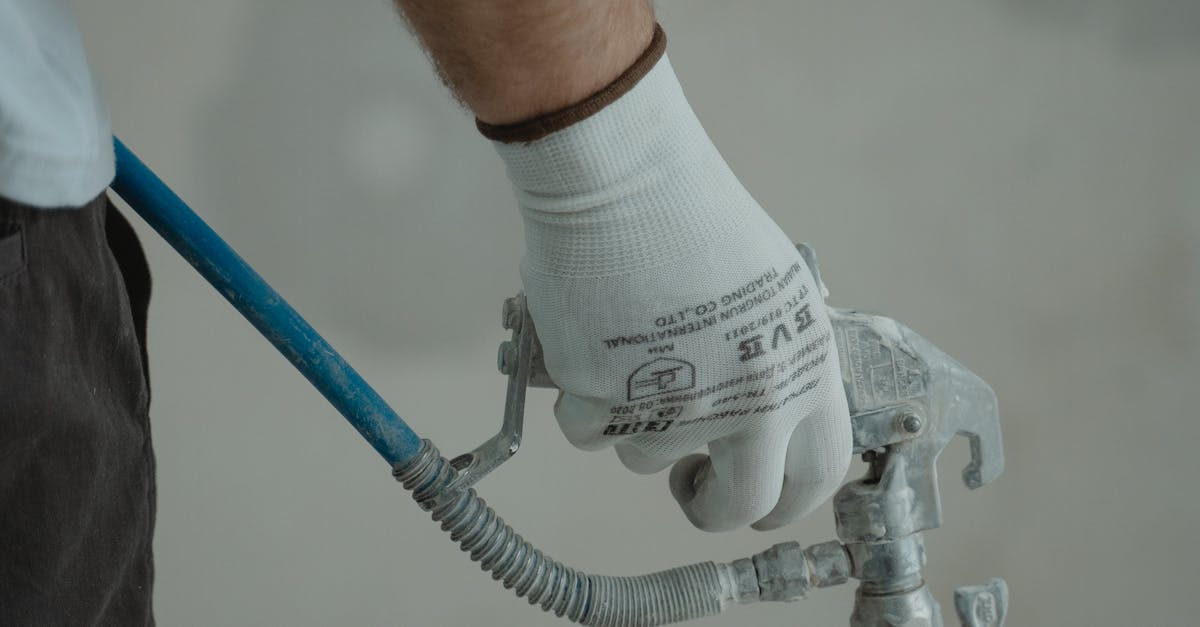
The Cost of Pipe Repairs
The cost of pipe repairs can vary significantly based on several factors, including the extent of damage and the materials needed for the job. Homeowners might expect to pay anywhere from minor fees for simple leaks to substantial amounts for major overhauls. Pipe installation and repair in urban areas can be more expensive due to higher labor costs and stricter regulations. Moreover, the age and type of the plumbing system will also influence overall expenses.
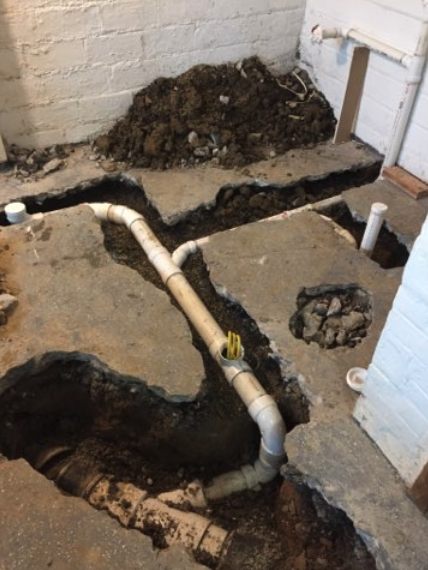
Factors such as accessibility to the damaged pipe can further affect repair costs. In some cases, walls or floors may need to be opened, leading to additional expenses for restoration. Choosing the right professional for the job is crucial, as getting multiple estimates can help homeowners find a balance between quality and affordability. Regular maintenance may reduce the frequency and expense of repairs, making it essential for budget-conscious homeowners to consider preventive measures.
Factors Influencing Repair Expenses
Several factors can significantly impact the expenses associated with pipe repairs. The extent of the damage is a primary consideration. Minor leaks might require minimal intervention, whereas extensive deterioration or corrosion demands more time and resources. Additionally, the location of the pipes plays a crucial role in determining costs. Pipes located in hard-to-reach areas or embedded within walls or ceilings can pose challenges that increase labor requirements and, consequently, expenses.
The materials used in pipe installation and repair in a specific project will also influence costs. Different materials, such as PVC, copper, or galvanized steel, have varying price points and installation complexities. Seasonal factors can affect pricing as well, with peak demand times possibly resulting in higher labor costs. Lastly, the expertise of the professionals engaged for the job matters. Experienced technicians might command higher fees, but their skills can lead to more reliable and longer-lasting repairs, potentially saving homeowners money in the long term.
Tools Used by Pipeline Professionals
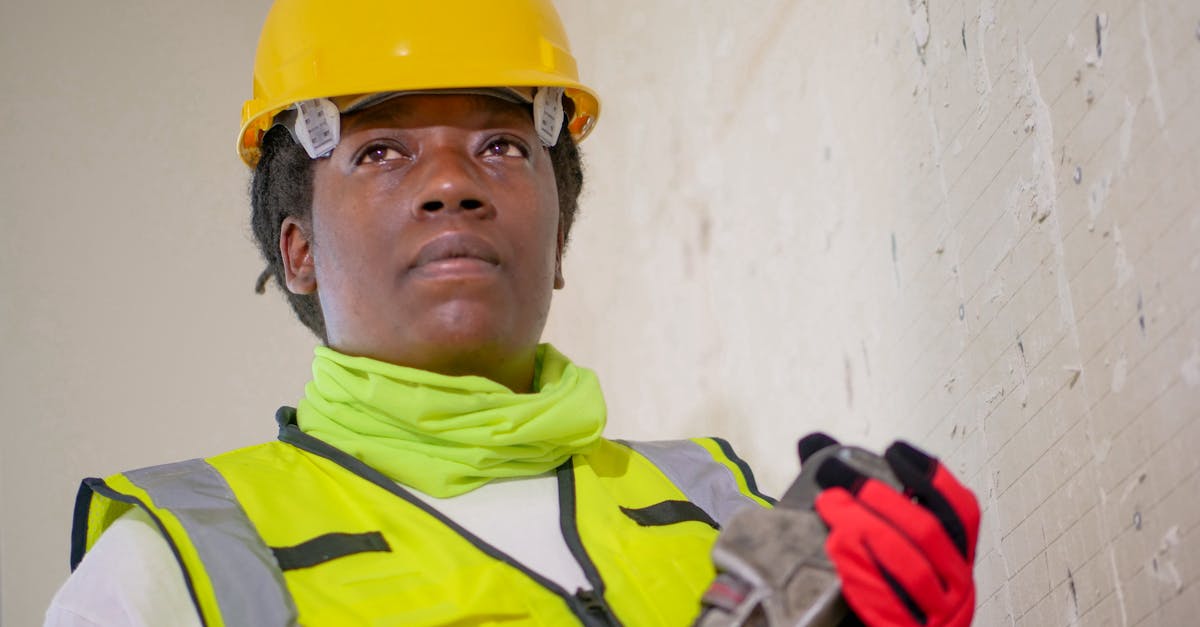
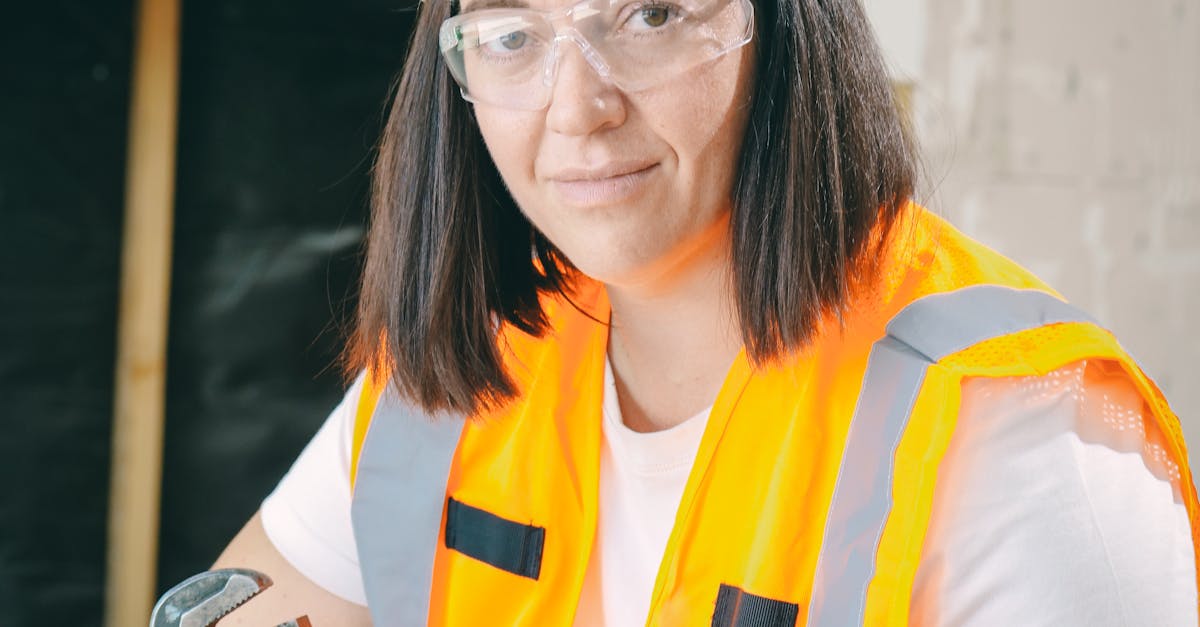
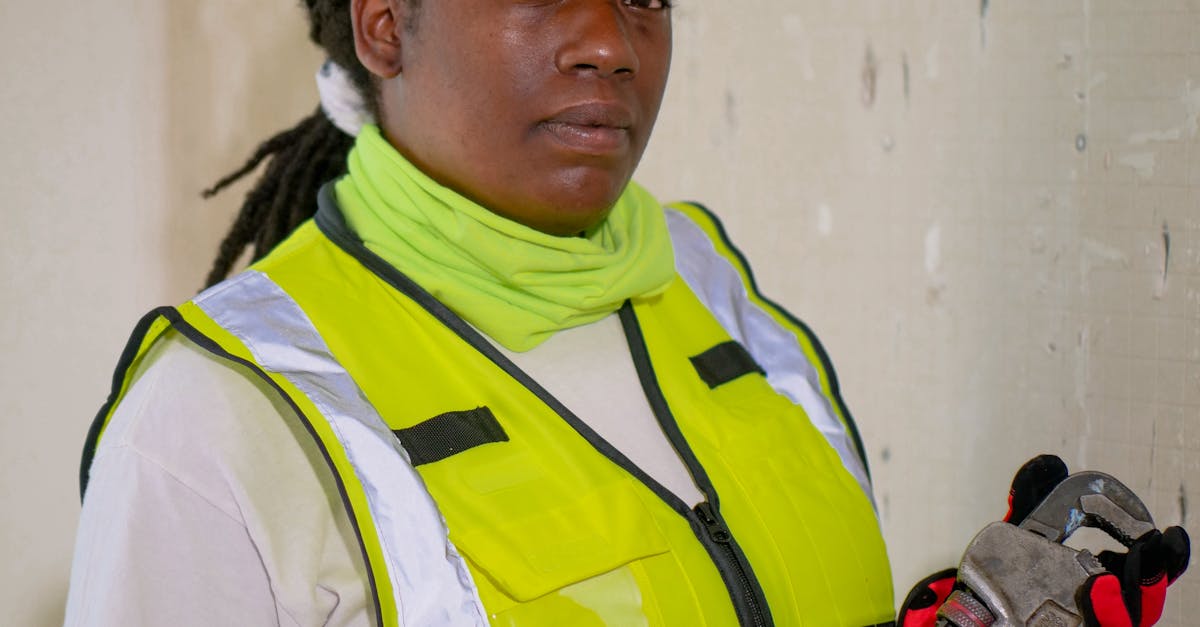
Pipeline professionals rely on a variety of tools to ensure efficient and effective pipe installation and repair in residential and commercial settings. Essential tools typically include pipe wrenches, which help in tightening or loosening pipes with precision. Additionally, plumbers often use saws designed specifically for cutting pipes, as well as pipe cutters that provide a clean and concise cut without the need for significant force.
In the realm of pipe repair in particular, professionals may also utilize diagnostic equipment such as video inspection cameras. These cameras allow for a detailed examination of the interior of pipes, identifying blockages or leaks that would otherwise remain hidden. Alongside this technology, sealing compounds and pipe fittings are crucial to ensuring long-lasting repairs. Each tool plays a vital role in maintaining the integrity of pipeline systems, ultimately contributing to reliable water flow and drainage.
Essential Equipment for Pipe Repair
Pipe installation and repair in residential or commercial settings requires a range of essential tools to ensure efficient and effective work. One of the most important tools is the pipe wrench, which allows professionals to grip and turn pipes with ease. Additionally, pipe cutters are critical for creating clean, precise cuts on various types of piping materials, ensuring proper fitment during installation or repair. Having a good selection of fittings and seals readily available can also be pivotal in making quick repairs.
Inspection cameras have become increasingly valuable for diagnosing problems within buried or hidden pipes. These devices provide a visual account of internal pipe conditions, enabling professionals to make informed decisions about needed repairs. Furthermore, sealing compounds and soldering kits are necessary for repairing leaks and ensuring strong joints between pipe sections. A well-equipped toolkit enhances the capability of technicians in handling pipe installation and repair in diverse environments.
Preventive Measures for Pipe Longevity
Regular maintenance is crucial for ensuring the longevity of your pipes. Homeowners should conduct routine inspections to identify any signs of wear and tear. Checking for leaks, corrosion, or mineral build-up can help address issues before they escalate into costly repairs. Keeping an eye on water pressure levels also aids in detecting potential problems early on. Regularly cleaning drains and using strainers can prevent clogs that might lead to pipe damage.
Investing in high-quality materials during pipe installation significantly impacts durability. Choosing the right type of piping suited for your environment can prevent premature failure. Proper installation techniques also play a role in the lifespan of pipes. Engaging professionals for pipe installation and repair in your home ensures that industry standards are met, promoting long-term reliability. Homeowners should remain proactive in implementing preventive measures to safeguard their plumbing systems.
Best Practices for Homeowners
Homeowners can take several proactive steps to ensure the longevity of their piping systems. Regular inspections can identify potential issues before they become significant problems. Keeping an eye on water pressure, monitoring for leaks, and ensuring proper drainage all contribute to the maintenance of a healthy plumbing system. Additionally, understanding the materials used in pipe installation and repair in your home helps in selecting methods and products that are compatible with existing systems.
It is also advisable to stay informed about common signs of pipe wear, such as unusual sounds and discolored water. Homeowners should consider scheduling professional assessments at regular intervals, especially if they live in areas prone to extreme weather. Implementing insulation for exposed pipes can prevent freezing during colder months, reducing the risk of bursts. Overall, taking these steps can make a significant difference in preventing costly repairs and ensuring a reliable plumbing system.
FAQS
Who is responsible for fitting and repairing pipes?
Licensed plumbers and pipefitters are typically responsible for fitting and repairing pipes. They are trained professionals who have the skills and knowledge necessary to handle a variety of plumbing tasks.
What factors influence the cost of pipe repairs?
The cost of pipe repairs can be influenced by several factors, including the type of pipe material, the extent of the damage, labor rates in your area, and any additional materials needed for the repair.
What tools do pipeline professionals commonly use?
Pipeline professionals commonly use tools such as pipe wrenches, pipe cutters, soldering equipment, thread seal tape, and various diagnostic tools to assess and repair pipe issues.
How can homeowners prevent pipe damage?
Homeowners can prevent pipe damage by regularly inspecting their plumbing systems, insulating pipes during cold weather, avoiding chemical drain cleaners, and maintaining proper water pressure.
When should I call a professional for pipe repairs?
You should call a professional for pipe repairs if you notice persistent leaks, significant water pressure changes, visible corrosion, or if you are unsure how to address a plumbing issue safely and effectively.