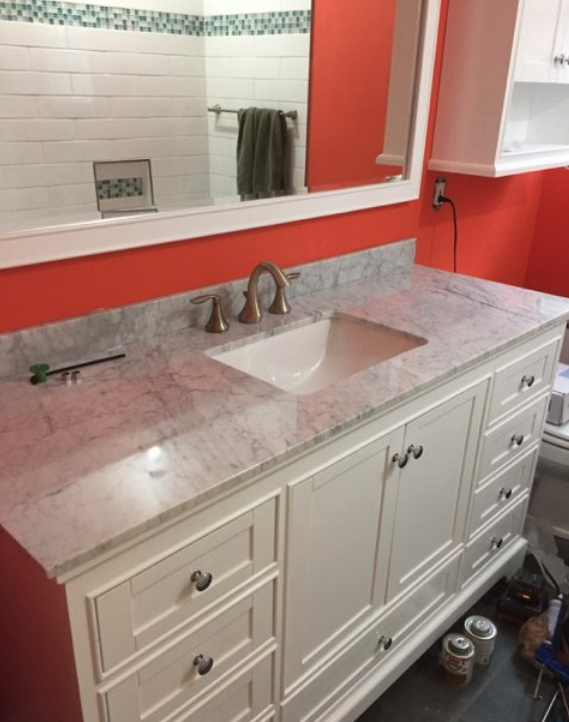
Sink installation and repair
Heights Plumbing and Drain Service specializes in professional sink installation and repair, ensuring that your kitchen and bathroom sinks function flawlessly. Our experienced plumbers are equipped to handle a variety of sink styles and brands, from classic porcelain to modern stainless steel. Whether you need a new sink installed, a leaky faucet fixed, or a clogged drain cleared, we provide efficient and reliable solutions tailored to your specific needs. We prioritize customer satisfaction and quality workmanship, making sure that every installation and repair is performed to the highest standards. Trust Heights Plumbing and Drain Service to keep your sinks in perfect working order!
Basic Sink Repair Techniques
Understanding basic sink repair techniques can empower homeowners to address common issues without needing professional assistance. One essential skill is learning how to stop leaks, often caused by worn-out washers or seals. To tackle this, turn off the water supply and remove the faucet handle to access the cartridge or nut. Replace any damaged components and reassemble the faucet to ensure a tight seal, which should eliminate the leak and prevent future water damage.
Clogged drains are another prevalent problem that can be resolved with straightforward techniques. A plunger can often do the trick for minor clogs; however, if that fails, a drain snake or auger may be necessary to remove blockages. For stubborn clogs, a mixture of baking soda and vinegar can help dissolve debris. Following these methods not only saves on repair costs but also provides a satisfying solution to common sink issues.
Identifying Common Sink Problems
Leaky faucets are among the most frequently encountered issues in sink maintenance. A small drip can lead to wasted water and increased utility bills. This problem may arise from worn-out washers or damaged O-rings, which can often be replaced without needing a professional plumber. Observing the handle’s movement may also provide clues about the underlying cause of the leak.
Clogs can also create significant frustration during daily tasks. Food debris, grease, and soap can accumulate over time, leading to slow drainage or complete blockage. Occasionally, a simple plunger or a homemade solution of vinegar and baking soda can resolve these issues. Persistent struggles with drainage, however, might indicate deeper plumbing problems requiring expert intervention for thorough evaluation.
When to Repair or Replace Your Sink
Determining whether to repair or replace a sink often hinges on the extent of the damage and the age of the fixture. Minor issues, such as a small leak or a clogged drain, are typically suitable for simple repairs. However, if the sink shows signs of severe rusting, cracking, or corrosion, replacement may be a more viable option. Additionally, evaluating the overall condition of your plumbing system can provide insight into whether a new sink installation would ultimately save you money in the long run.
Another factor to consider is the frequency of repairs needed over time. If you find yourself frequently addressing issues with an aging sink, it may be time to invest in a new one. Upgrading to a more efficient model can not only enhance functionality but also improve the aesthetics of your kitchen or bathroom. Always weigh the costs of continued repairs against the expenses of a replacement to make an informed decision.
Signs Your Sink Needs Immediate Attention
A sink showing persistent issues warrants prompt attention to prevent further damage to your plumbing system. Leaks under the sink can lead to water damage, mold growth, and costly repairs. If you notice water pooling around the base or under the cabinet, it’s essential to address the source of the leak immediately. Additionally, strange sounds such as gurgling or banging indicate underlying drainage problems that may require professional assessment.
Slow drainage can also signal significant concerns, especially if it persists despite efforts to clear clogs. Foul odors emanating from the sink suggest trapped debris or a malfunctioning trap, which should be addressed to prevent health hazards. Frequent backups are another red flag, pointing to potential blockages in the pipes that may require immediate intervention. Ignoring these signs can escalate minor issues into major repairs, making timely action critical.
Cost Factors in Sink Installation and Repair
When planning for sink installation or repair, several cost factors come into play that can significantly affect the overall expenditure. The materials chosen for the sink itself play a vital role in determining the price. Stainless steel, porcelain, and composite materials each come with varying price points, and their durability can also influence long-term costs. Labor expenses should not be overlooked, as hiring a professional plumber ensures the installation or repair meets industry standards. Different geographical locations may affect labor rates, resulting in varying overall project costs.
Additional considerations include the complexity of the installation or repair. If plumbing modifications are needed, the costs can rise due to the additional work involved. Hidden issues, like pipe damage or outdated plumbing systems, may also surface during the process, leading to unexpected expenses. Homeowners should also factor in potential permit costs depending on local regulations. Taking the time to assess these factors can help create a realistic budget and aid in making informed decisions throughout the project.
Budgeting for Your Project
When planning for sink installation or repair, consider various cost factors that influence your budget. Materials play a crucial role; depending on whether you choose a stainless steel, porcelain, or composite sink, prices can vary significantly. Labor costs will also depend on the complexity of the task and the expertise of the plumber. Always include potential additional expenses, such as new faucets, disposal systems, or plumbing adjustments.
It’s wise to obtain several estimates from licensed plumbers in your area before committing to a project. This approach not only helps you compare prices but also allows you to gauge the quality of service each plumber offers. Allocating an emergency fund for unexpected issues that may arise during the installation or repair process will help you avoid stress later on. Taking these steps will ensure your budgeting aligns with both your vision and financial comfort.
FAQS
What are some common issues that can arise with sinks?
Common sink issues include leaks, clogs, slow drainage, rust or corrosion, and loose or damaged fixtures.
How can I tell if my sink needs to be repaired or replaced?
Signs that your sink may need immediate attention include persistent leaks, significant rust or damage, and frequent clogs that cannot be resolved with basic cleaning.
What factors affect the cost of sink installation and repair?
Cost factors can include the type of sink, materials used, labor costs, removal of the old sink, plumbing adjustments, and any additional features such as faucets or accessories.
How can I budget for my sink installation or repair project?
To budget effectively, assess the scope of work required, gather estimates from professionals, consider the cost of materials, and set aside a contingency fund for unexpected expenses.
Can I attempt to repair my sink myself, or should I hire a professional?
While some basic repairs can be done by homeowners, such as clearing clogs or replacing faucets, more complex issues or installations may require the expertise of a professional plumber to ensure proper handling and compliance with local codes.