Tools Required for Sink Installation
To successfully tackle sink installation and repair, having the right tools on hand is essential. Basic tools such as a basin wrench, adjustable wrench, and pipe wrench will help you secure connections tightly. Additionally, a screwdriver set and pliers are necessary for handling various fixtures. A bucket may be useful for catching any water spills during the process, while tape measure allows you to ensure accurate measurements when fitting the new sink.
In addition to the basics, consider having a putty knife for applying plumber's putty around the drain and faucet openings. Having a level on hand ensures that the sink is not only properly aligned but also functions effectively. For those who prefer a more advanced approach, a rotary tool can assist in making precise cuts if modifications to countertops are required. Gathering these tools before beginning the project helps to streamline the installation process and minimizes frustration.
Equipment for Success
When approaching sink installation and repair, having the right equipment is essential for a smooth process. A good set of tools ensures that you can handle various tasks that may arise during the installation. Basic items typically include a adjustable wrench, plumber's putty, Teflon tape, and a bucket to catch any residual water. Depending on your specific sink and plumbing setup, additional tools like a pipe cutter or drill may also be necessary.
Investing in quality equipment not only contributes to successful installation but also minimizes the likelihood of future issues. For example, using a high-quality adjustable wrench can make it easier to tighten connections and prevent leaks. Similarly, having a pipe wrench can assist in securing pipes more effectively, leading to a more durable installation. Proper tools enhance efficiency and effectiveness, ensuring that your new sink functions as intended.
Types of Sinks and Their Installation Requirements
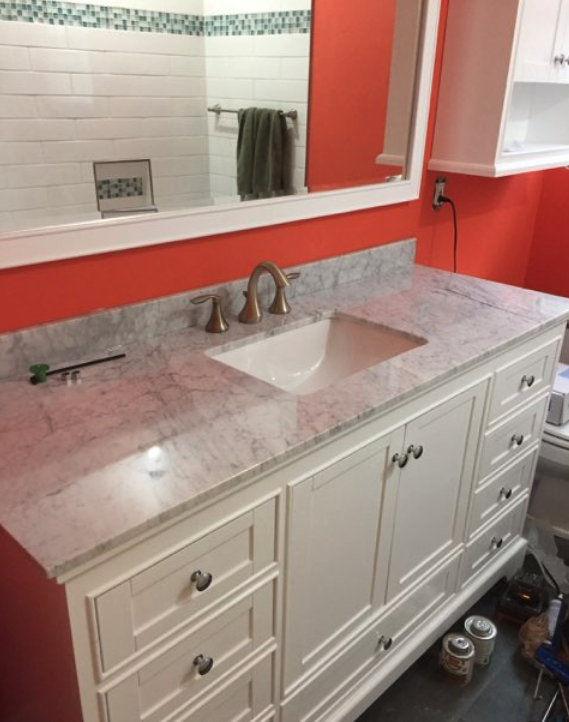
When considering a new sink, it’s essential to recognize the various types available, as each comes with different installation requirements. Drop-in sinks, for example, typically fit into a pre-cut hole in the countertop, supported by the surrounding surface. Undermount sinks attach beneath the countertop, requiring a more careful installation process to ensure proper sealing and alignment. Vessel sinks sit on top of the counter, offering a unique aesthetic but also demanding specialized plumbing connections to accommodate their height. Proper planning can help avoid complications during sink installation and repair.
In addition to understanding the types of sinks, it’s crucial to consider the plumbing setup in your home. Some sinks may need specific configurations of pipes, drains, and faucets that align with their design. For instance, a farmhouse sink often requires reinforced cabinetry due to its weight and size. Ensuring that your plumbing can accommodate these requirements will facilitate a smoother installation process and reduce the likelihood of future issues. Attention to detail during this phase ensures longevity and efficiency in both sink usage and plumbing functionality.
Choosing the Right Sink for Your Space
Choosing the right sink for your space involves considering both the aesthetic and practical aspects of your kitchen or bathroom. Various sink styles, such as undermount, farmhouse, or drop-in, can complement your decor while also fulfilling functional requirements. It's essential to assess the available space to ensure the sink fits well without overpowering other elements in the room. Assessing the size and configuration of your plumbing will also influence your choice.
Function should not be overlooked when selecting a sink. You may need a larger basin for heavy-duty tasks or multiple compartments for enhanced efficiency. Additionally, think about the materials used in the sink since they can affect durability and maintenance. If you are planning on any sink installation and repair in the future, consider how your choice may impact those processes. Selecting the right sink will not only enhance the visual appeal of your space but also ensure it meets your everyday needs.
Preparing Your Space for a New Sink
Before beginning with sink installation and repair, it is essential to prepare the surrounding area properly. This involves clearing the space under the existing sink, removing any items that may obstruct access. Check for any existing plumbing issues that might complicate the installation process, such as leaks or damaged pipes. Having a clean and organized work area not only enhances efficiency but also helps in preventing any accidents.
Additionally, ensure that you have all necessary tools and materials readily available. This might include wrenches, plumber's putty, and plumbing tape. Accurate measurements of the space can help prevent further complications during the installation. Familiarize yourself with the layout and structure of your plumbing system. Understanding these elements is key to a seamless sink installation process.
Necessary Renovations and Adjustments
Before beginning any sink installation and repair, it is crucial to assess the existing plumbing and cabinetry in your space. Ensure sufficient space for the new sink and look for any potential obstacles such as pipes or electrical wiring. If your current setup does not accommodate the new sink's dimensions, it may require modifications to the surrounding cabinetry or adjustments to the plumbing lines. Ensuring everything fits neatly will help prevent complications during installation.
Consider the sink's weight and material when preparing your space. Heavier sinks, particularly those made of cast iron or stone, may necessitate additional support beneath. Adjustments to the cabinet structure or installation of a new countertop may be required to properly support the added weight. Failing to account for these elements can lead to future damage or uneven surfaces. Taking these steps will create a suitable environment for your new sink while facilitating a smoother installation process.
FAQS
Do I need a plumber to install a new sink?
While it's possible to install a new sink yourself if you have the right tools and knowledge, hiring a plumber can ensure the job is done correctly and safely.
What tools do I need to install a sink?
Common tools required for sink installation include a basin wrench, adjustable wrench, screwdriver, pliers, and a level, among others.
Are there different types of sinks that require specific installation methods?
Yes, different types of sinks, such as drop-in, undermount, or vessel sinks, have unique installation requirements that may affect whether you can install them yourself or need a plumber.
How do I prepare my space for a new sink installation?
Preparing your space involves clearing the area, ensuring plumbing accessibility, and making necessary renovations or adjustments to accommodate the new sink.
What are the benefits of hiring a professional plumber for sink installation?
Hiring a professional plumber can save time, ensure compliance with local plumbing codes, prevent potential leaks, and provide peace of mind knowing the installation was done correctly.