Longterm vs. Shortterm Maintenance
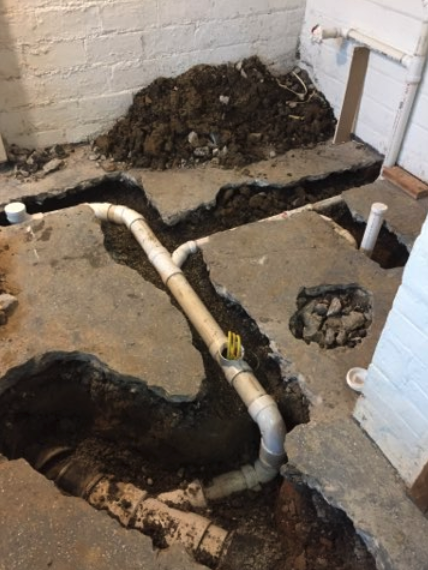
Long-term maintenance of pipes typically involves regular inspections and proactive measures to prevent significant issues from developing. This approach emphasizes scheduled assessments, which not only detect potential problems early but also ensure the longevity of the entire plumbing system. When considering the costs associated with pipe installation and repair, investing in long-term strategies often results in fewer emergency repairs and less downtime.
In contrast, short-term maintenance focuses on immediate fixes and reactive measures. While this strategy can seem cost-effective initially, it may lead to repetitive issues that require consistent attention. The ongoing expenses related to frequent pipe installation and repair can ultimately exceed those of a well-planned long-term maintenance program. Balancing both approaches allows homeowners to manage costs while ensuring their plumbing systems remain functional and efficient.
Evaluating CostEffectiveness
When assessing the cost-effectiveness of pipe maintenance, it’s crucial to consider both immediate expenses and long-term savings. Investing in quality materials and services at the outset can lead to fewer repairs and replacements in the future. Pipe installation and repair should not only focus on current needs but also factor in the potential for problems down the line. Regular maintenance can help identify issues early on, preventing costly emergencies that could disrupt both operations and budgets.
Balancing short-term costs with potential long-term benefits provides a clearer picture of overall financial implications. For instance, while DIY approaches might seem less expensive initially, they can sometimes lead to larger expenses if mistakes occur. Engaging professional services ensures that pipe installation and repair are completed efficiently and effectively, reducing the likelihood of recurring problems. This proactive approach to maintenance often pays off in the form of lower overall costs over time.
Hiring Professional vs. DIY
When considering pipe installation and repair, homeowners often face the decision between hiring professionals or relying on DIY methods. Engaging a professional can bring significant advantages. Experienced plumbers possess specialized skills, access to industry-grade tools, and knowledge of local codes and regulations. This expertise can expedite the repair process and minimize the risk of future issues, ultimately protecting the property from costly damage.
On the other hand, DIY enthusiasts may opt to handle pipe installation and repair projects themselves to save money. This approach can be beneficial for smaller maintenance tasks and fosters a sense of accomplishment. However, without the proper training, there is a greater chance of mishandling materials or misjudging the complexity of a problem. While attempting to save on costs, an inexperienced effort may lead to the need for professional services later on, potentially negating any initial savings.
Benefits of Professional Services
When it comes to pipe installation and repair, hiring professional services often results in higher quality work. Professionals bring specialized knowledge and experience to the table. Their training allows them to quickly identify potential issues, leading to more efficient repairs. This expertise can prevent future problems that might arise from improper handling.
Additionally, professionals usually guarantee their work, providing customers with peace of mind. This assurance means that if any issues occur post-service, they will typically address them at no extra cost. The use of industry-standard materials and tools can also enhance the durability of the installation or repair, making the initial investment worthwhile in the long term.
Regional Price Variations
The costs associated with pipe installation and repair can vary significantly based on geographic location. Urban areas often experience higher labor and material costs due to increased demand and a higher cost of living. In these settings, homeowners may find themselves paying a premium for both routine maintenance and emergency repairs. Conversely, rural regions typically offer lower rates, though availability of qualified professionals may be limited.
Local building codes and regulations also play a crucial role in determining expenses. Areas with stringent requirements may necessitate more complex procedures or specialized fittings, driving up costs. Additionally, the proximity to suppliers and the availability of resources influence pricing. Homeowners should consider these factors when budgeting for pipe maintenance to ensure a more accurate assessment of potential costs in their specific location.
How Location Affects Maintenance Costs
Location significantly influences the cost of pipe maintenance. Urban areas often see higher pricing due to increased demand for services and a larger population. Service providers in these regions may charge more for logistics, labor, and operational overhead. In contrast, rural areas might offer lower rates, yet the availability of skilled professionals can be limited, potentially increasing wait times for necessary pipe installation and repair.
Regional variations in building codes and regulations can also impact costs. Different areas may have stricter codes, leading to additional expenses for compliance. Material costs can vary based on local supply chains, affecting overall pricing for maintenance tasks. Homeowners should consider these factors when budgeting for pipe maintenance, as local economic conditions can greatly influence their expenses.
FAQS
What factors influence the cost of pipe maintenance?
Several factors can influence the cost of pipe maintenance, including the type of pipes, the extent of the maintenance needed, and whether you choose professional services or DIY methods. Additional factors may include the location of the pipes, accessibility, and local labor rates.
Is it more cost-effective to hire a professional for pipe maintenance?
Depending on the complexity of the maintenance work and your level of expertise, hiring a professional can often be more cost-effective in the long run. Professionals typically have the right tools and experience to address issues efficiently, potentially preventing further damage and costs.
How often should I perform pipe maintenance?
The frequency of pipe maintenance can vary based on factors such as pipe material, age, and environmental conditions. Generally, it's recommended to have a thorough inspection at least once a year and to perform maintenance as necessary based on the results.
Are there regional differences in pipe maintenance costs?
Yes, regional differences can significantly affect pipe maintenance costs. Areas with a higher cost of living or labor shortages may see increased rates for professional services, while other regions may have more competitive pricing.
Can I perform pipe maintenance myself to save money?
While DIY pipe maintenance can save money on labor costs, it's essential to have the right tools, knowledge, and skills to avoid causing further damage. In some cases, complex issues may require professional intervention, so it's vital to assess your capabilities before proceeding.