Cost Factors in Pipe Repairs
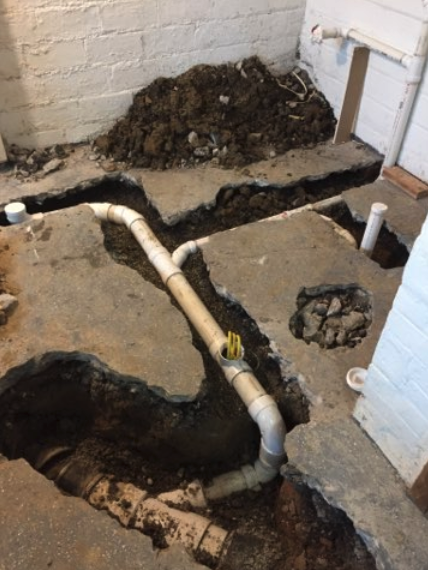
When considering the cost of pipe repairs, several factors come into play. The type of damage significantly influences expenses, as minor leaks require less time and materials than extensive corrosion or broken sections. Labor costs can vary based on geographical location and the complexity of the repair, adding another layer to the overall expense. Homeowners often seek quotes from multiple contractors to ensure they find a reasonable price for the necessary work. A common search term, "pipe installation and repair near me," helps pinpoint local professionals who can assess the situation effectively.
Additionally, the materials used in plumbing repairs can lead to varying costs. For instance, opting for high-quality copper pipes may yield superior durability but usually comes at a higher price compared to PVC. The age of existing plumbing can also impact repair costs; older systems may require more extensive work to bring them up to code. Homeowners should be prepared for potential hidden costs that could arise once the repair begins. Proper assessments and detailed estimates from local contractors will provide a clearer understanding of the financial commitment needed for pipe repairs.
What to Expect in Terms of Expenses
When dealing with pipe repairs, expenses can vary significantly based on several factors. The type of damage, the materials required, and the complexity of the job all contribute to the final cost. Labor rates in your area also play a crucial role. It’s advisable to get multiple quotes from local plumbers to ensure you receive a fair estimate. Searching online for “pipe installation and repair near me” can help you connect with professionals who can assess your situation accurately.
In addition to immediate repair costs, homeowners should also consider potential long-term expenses. If problems are not addressed promptly, further damage could lead to more extensive repairs down the road. Regular maintenance can reduce these risks and save money in the long run. Investing in preventive measures such as routine inspections ensures that minor issues are resolved before becoming significant financial burdens.
Preventive Measures for Pipe Maintenance
Routine inspections play a crucial role in pipe maintenance, as they help identify potential issues before they escalate into costly repairs. Homeowners should consider scheduling annual check-ups with local plumbing professionals. These experts can assess the condition of the pipes, looking for signs of wear or corrosion. Regular maintenance ensures that small leaks are detected early and fixed, preventing water damage and reducing long-term expenses.
Proper insulation can also significantly extend the lifespan of pipes, especially in colder climates. Insulating pipes minimizes the risk of freezing during winter months. Homeowners should focus on areas prone to low temperatures, such as basements and attics. Additionally, keeping an eye on water pressure levels can alert you to potential problems. Searching for "pipe installation and repair near me" can connect you with experienced technicians who can provide advice on both maintenance and insulation.
Tips to Avoid Future Damage
Regular maintenance is key to preventing future damage to your plumbing system. Homeowners should establish a routine inspection schedule, checking for signs of wear and tear such as leaks or corrosion. Keeping an eye on water pressure can also help detect issues early. Investing in professional services for pipe installation and repair near me ensures that any potential problems are addressed before they escalate into costly repairs.
Another important measure is to be mindful of what gets flushed down your pipes. Avoiding harsh chemicals and non-biodegradable materials can significantly extend the life of your plumbing. Utilizing strainers in sinks and drains will capture debris that could lead to clogs. Periodic cleaning and flushing of the system can also help prevent buildup that may cause damage over time.
Types of Piping Materials
Various types of piping materials are available for both residential and commercial use. Copper remains a popular choice due to its durability and resistance to corrosion. It offers excellent heat conductivity, making it suitable for water supply lines. However, copper can be expensive and may be prone to theft in certain situations. PVC is commonly used for drainage and venting systems. It is cost-effective, lightweight, and easy to install, but it may not withstand extreme temperatures as well as other materials.
For those considering new pipe installations, understanding the pros and cons of different options is essential. PEX has emerged as a flexible alternative that resists scale and chlorine, making it a great choice for home plumbing. Stainless steel offers strength and resistance to rust, ideal for high-pressure applications. When looking for services like pipe installation and repair near me, keeping these material characteristics in mind can help ensure successful and long-lasting plumbing solutions.
Pros and Cons of Different Options
When considering different piping materials for installation or repair, it’s important to evaluate the pros and cons. Copper pipes are known for their durability and resistance to corrosion. They can be more expensive initially, but their longevity often makes them a worthwhile investment. PVC is a budget-friendly option widely used for drainage and waste systems, providing excellent resistance to chemicals. However, PVC may not perform well in areas with extreme temperatures.
On the other hand, PEX has gained popularity in recent years due to its flexibility and ease of installation, making it great for retrofitting existing plumbing. It is also resistant to scale and chlorine, and it doesn’t corrode. While PEX is a versatile choice, it is not suitable for outdoor use as it can be damaged by ultraviolet light. When looking for solutions, many homeowners search for "pipe installation and repair near me" to find the best local options tailored to their needs.
FAQS
What is the process of fixing pipes called?
The process of fixing pipes is commonly referred to as "pipe repair" or "plumbing repair."
What are the common methods used for pipe repairs?
Common methods for pipe repairs include patching, relining, and complete replacement of the damaged section, depending on the extent of the damage.
How much should I expect to pay for pipe repair?
The cost of pipe repair can vary widely based on factors such as the type of repair needed, the materials used, and the labor involved. On average, homeowners can expect to pay between $150 and $450 for standard repairs.
What preventive measures can I take to avoid pipe damage?
Preventive measures include regular inspections, insulating pipes during winter, avoiding pouring grease down drains, and being mindful of what goes into your plumbing system.
What types of piping materials are commonly used in plumbing?
Common types of piping materials include PVC, copper, PEX, and galvanized steel, each with its own pros and cons in terms of cost, durability, and installation.