Common Challenges During Replacement
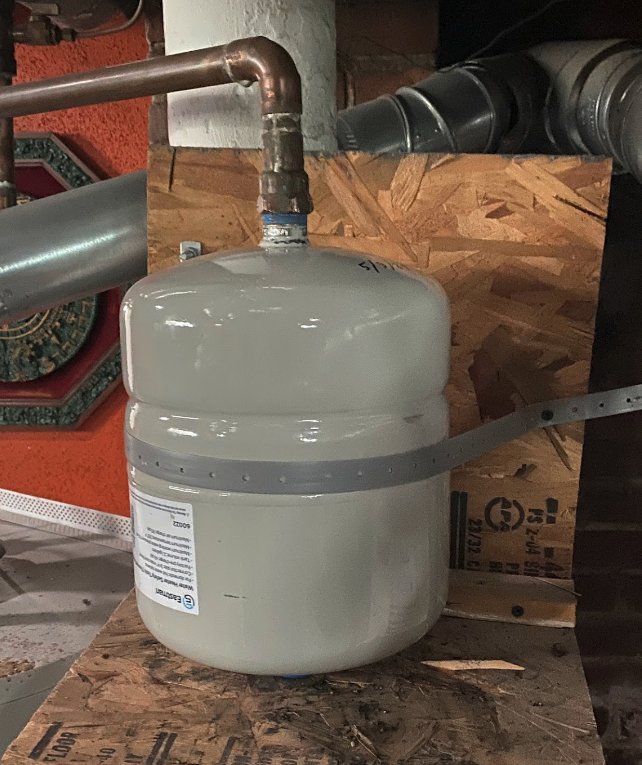
Replacing a home water heater comes with a set of challenges that can complicate the installation process. One common issue is accessing the old unit, especially if it is installed in a tight or poorly lit space. Disconnecting plumbing and electrical connections may also be fraught with difficulties, especially if there are signs of corrosion or wear. Homeowners should be prepared for the potential need for additional materials or tools if problems arise during disconnection.
Another challenge can arise from local building codes and regulations. Water heater installation and repair in Cleveland Heights, Ohio, may have specific requirements that dictate the type of unit or installation method used. Homeowners must ensure they comply with these regulations, which can involve extra steps before the actual replacement can begin. Delays may also occur if permits are required or if inspections must take place before the new unit is fully operational.
Issues That May Extend Installation Time
The process of replacing a water heater can often face unforeseen delays due to various factors. If the existing unit has outdated or damaged plumbing, modifications might be necessary to ensure compatibility with the new water heater. Additionally, if the work requires special permits or inspections from local authorities, this could further extend the timeline. Homeowners should be prepared to accommodate these potential issues when planning for a replacement.
Water heater installation and repair in Cleveland Heights, Ohio, may also take longer if upgrades to electrical or gas lines are needed. In some cases, the model selected may not easily fit into the existing space, leading to extra work such as constructing a new support structure or adjusting ventilation. These considerations are essential to achieving a safe and efficient installation, emphasizing the importance of thorough planning before beginning the replacement process.
Final Steps After Replacement
After replacing the water heater, it is essential to take final steps to ensure everything operates smoothly. Start by checking all connections for leaks. Turn on the power supply or gas line, depending on your heater type, and allow it to fill. Monitor the temperature settings and adjust them to your household needs. It is prudent to let the heater run for a while before using hot water extensively, allowing the thermostat to stabilize.
Performing a few checks after installation will help confirm proper functionality. Inspect the drainage system if applicable. For those in need of professional help, water heater installation and repair in Cleveland Heights, Ohio, offers skilled services to assist you further. Consulting a professional can provide peace of mind and assure optimal performance of the new unit.
Ensuring Proper Functionality
After a new water heater is installed, confirming its functionality is essential. Check for any leaks at the connections and ensure that all settings are appropriately adjusted. The temperature should typically be set around 120 degrees Fahrenheit to balance efficiency and safety. Running hot water through a nearby faucet can help assess if the heater is functioning properly, providing a steady stream of heated water.
For residents in need of additional support, professionals are available for water heater installation and repair in Cleveland Heights, Ohio. They can conduct thorough testing and inspections to confirm that the unit operates optimally. Regular monitoring of performance can prevent potential issues and prolong the lifespan of the water heater.
Maintaining Your New Water Heater
Regular maintenance can significantly extend the lifespan of your new water heater. Checking the temperature settings is essential; most experts recommend a setting of 120 degrees Fahrenheit for optimal performance. Flushing the tank periodically helps remove sediment buildup, which can reduce efficiency and lead to potential issues. Inspecting the anode rod annually is also advisable, as this component prevents corrosion inside the tank.
For those living in Cleveland Heights, Ohio, finding skilled professionals for water heater installation and repair should be a priority. Qualified technicians can provide insights on maintaining your system effectively. Regular inspections can catch minor issues before they escalate into costly repairs. Keeping a maintenance schedule allows you to maximize the efficiency and longevity of your water heater.
Routine Care Guidelines
Regular maintenance of your water heater can significantly extend its lifespan and improve efficiency. It is essential to flush the tank at least once a year to remove sediment buildup. This sediment can reduce heating efficiency and may even lead to corrosion. Inspecting the anode rod periodically can help prevent rusting within the tank. If the rod appears worn out, replacing it will help maintain the integrity of your water heater.
In addition to flushing and checking the anode rod, ensuring the temperature is set correctly can save energy and prevent scalding. The ideal temperature is typically set between 120°F and 140°F. If you experience any issues or need assistance, professional help is available. Water heater installation and repair in Cleveland Heights, Ohio, can provide expert guidance and service to keep your system running smoothly. Regular check-ups can catch potential problems early, avoiding costly repairs down the line.
FAQS
How long does it typically take to replace a home water heater?
On average, replacing a home water heater can take anywhere from 2 to 4 hours, depending on the complexity of the installation and any unforeseen issues that may arise.
What common challenges can extend the installation time of a water heater?
Common challenges that may extend installation time include outdated plumbing, electrical issues, or the need for additional modifications to accommodate the new unit.
Are there specific issues that can cause delays during water heater replacement?
Yes, issues such as improper venting, the need for a new gas line, or accessibility problems can lead to longer installation times.
What steps should I take after my water heater is replaced?
After replacement, it’s important to ensure proper functionality by checking for leaks, setting the temperature to your desired level, and inspecting the pressure relief valve.
How can I maintain my new water heater to prevent future issues?
Routine care guidelines include flushing the tank annually, checking the anode rod every few years, and ensuring the temperature is set to 120°F to optimize efficiency and safety.