Steps to Fix a Leaky Water Heater
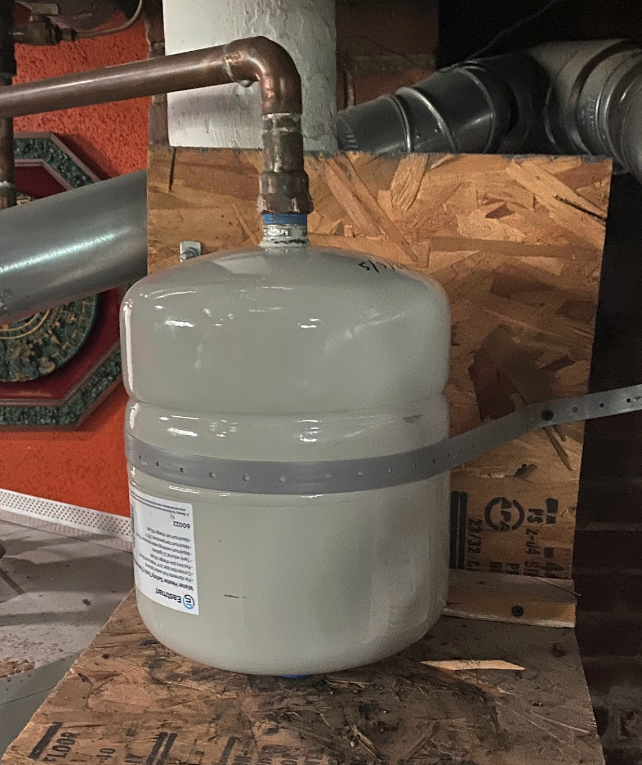
A leaky water heater can cause significant damage if not addressed promptly. The first step in fixing the issue involves turning off the power supply and the cold water inlet. This helps prevent any further damage or potential electrical issues. Next, inspect the heater to identify the source of the leak. Common areas to check include the drain valve, inlet and outlet connections, and the tank itself. If the leak is from a valve or connection, tightening the fittings often resolves the issue. If the tank is compromised, replacement may be necessary.
For homeowners in Cleveland Heights, Ohio, seeking professional assistance can be beneficial. Water heater installation and repair Cleveland Heights, Ohio, services specialize in diagnosing and fixing leaks effectively. They can provide a thorough inspection and ensure that the repair meets safety standards. Attempting repairs without the right tools and knowledge can lead to complications. Relying on experts guarantees a more reliable solution, ensuring the longevity of the water heater and reducing future risks of leaks.
Diagnosing and Repairing Leaks
Leaking water heaters can lead to significant damage and costly repairs if not addressed promptly. Begin by inspecting the area around the heater for signs of moisture or pooling water. Common sources of leaks include the drain valve, temperature and pressure relief valve, and the connections between the heater and the plumbing. Be sure to check for corrosion or mineral buildup, which can weaken seals and fittings. A visual inspection will often reveal the source of the leak, allowing for accurate diagnosis.
After identifying the leak's source, the next step involves deciding on the appropriate fix. For issues with the drain valve, tightening it or replacing the valve may suffice. In cases where the temperature and pressure relief valve is leaking, it could indicate excessive pressure or temperature; replacing the valve is usually recommended. For connections that are loose or corroded, resealing or replacing the fittings may be necessary. For assistance, consider options like water heater installation and repair Cleveland Heights, Ohio, which can provide expertise in managing these issues effectively.
Dealing with Temperature Issues
Temperature issues with water heaters can stem from a variety of causes. One common reason is a malfunctioning thermostat that may not accurately gauge the water temperature. If the thermostat settings are lower than desired, hot water may not be available when needed. Adjusting the thermostat might resolve the issue, but if problems persist, a more in-depth diagnosis may be required.
Another potential cause of temperature inconsistencies is sediment buildup within the tank. This buildup can insulate the water from the heating element, leading to longer heating times and reduced efficiency. Flushing the tank periodically can help mitigate this problem. For those experiencing persistent temperature issues, seeking professional assistance, such as water heater installation and repair Cleveland Heights, Ohio, can provide the expertise needed to ensure a reliable and efficient system.
Adjusting the Thermostat Settings
Adjusting the thermostat settings on your water heater is an important step in ensuring that the water temperature meets your needs. Most water heaters come with a thermostat that allows users to set and maintain their desired temperature. For optimal performance, it is often recommended to set the thermostat to 120 degrees Fahrenheit. This temperature provides a good balance between comfort and energy efficiency while minimizing the risk of scalding.
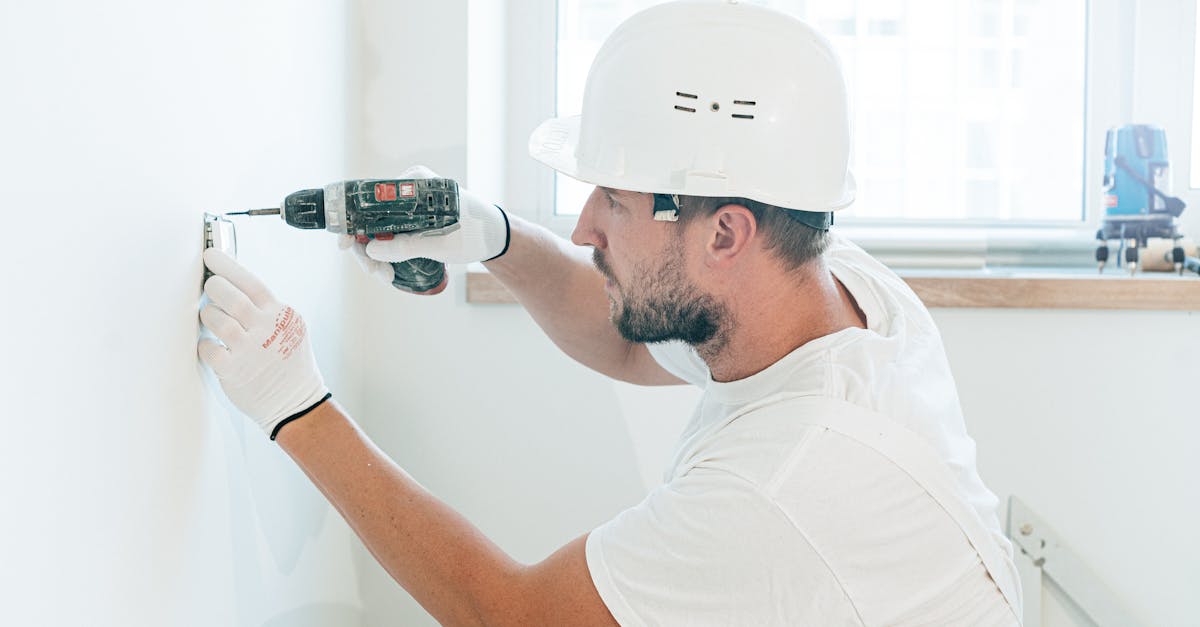
If you find that the water temperature does not match your settings, you may need to check the thermostat. Start by turning off the power supply and removing the access panel to reach the thermostat. After making adjustments, make sure to secure the panel properly before turning the power back on. For those in need of professional assistance, water heater installation and repair Cleveland Heights, Ohio, offers numerous qualified technicians who can help with thermostat troubleshooting and other water heater issues.
Common Part Replacements
When it comes to maintaining a water heater, some components are more likely to need replacement than others. Elements such as heating elements, thermostats, and pressure relief valves can wear out over time due to regular use. Knowing when to replace these parts can save both time and money. Homeowners should familiarize themselves with the symptoms of part failure, as this will aid in timely interventions.
If you're not confident in tackling these repairs, seeking professional assistance is a wise choice. Water heater installation and repair Cleveland Heights, Ohio, offers expertise in diagnosing issues and replacing parts effectively. Ensuring that replacements are done properly not only enhances the performance of the water heater but also extends its lifespan, providing long-term savings.
When and How to Replace Heating Elements
Replacing a heating element in a water heater is a common repair for homeowners facing insufficient hot water. First, it is essential to turn off the power supply to the unit for safety. Locate the access panel on the water heater and carefully remove it, followed by detaching the insulation and cover to access the heating elements. Before proceeding, it's important to drain some water from the tank to avoid any spills. Disconnect the wires connected to the faulty heating element, then unscrew it using the appropriate tools.
Once the old element is removed, the new one can be installed by reversing the process. Ensure that the new heating element is compatible with your water heater model. Tightening the screws securely is crucial to prevent leaks, followed by reconnecting the wires. After reassembling everything, restore power to the unit and check for proper operation. If you require assistance with this process, consider seeking professional help, such as water heater installation and repair Cleveland Heights, Ohio, to ensure a reliable and safe repair.
FAQS
Are water heaters easy to fix?
The ease of fixing a water heater depends on the specific issue and your level of DIY experience. Some problems, like adjusting thermostat settings or tightening connections, can be straightforward, while others may require professional help.
What are the common signs that my water heater needs repair?
Common signs include leaking water, inconsistent water temperatures, strange noises, and discolored water. If you notice any of these issues, it may be time to diagnose the problem.
How can I fix a leaky water heater?
To fix a leaky water heater, first identify the source of the leak. This could involve tightening connections, replacing fittings, or changing out a faulty valve. If the leak persists, professional assistance may be necessary.
Can I replace the heating elements myself?
Yes, replacing heating elements can often be done as a DIY project if you have some basic plumbing and electrical skills. However, always ensure the power is turned off before attempting any repairs.
What should I do if my water heater is not heating properly?
First, check the thermostat settings to ensure they are correctly set. If the problem persists, inspect the heating elements and other components for damage or wear. If you're unsure, it's best to contact a professional for assistance.