DIY vs. Professional Services
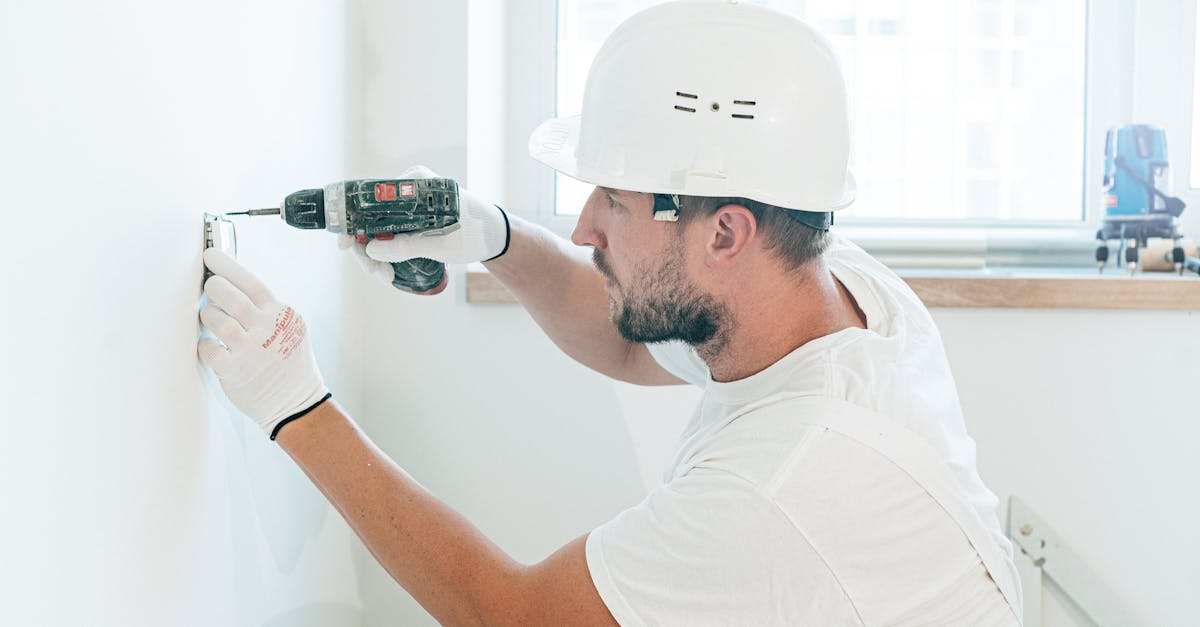
When deciding whether to tackle toilet installation and repair on your own or hire a professional, it's important to weigh your skills and experience. DIY projects can be rewarding and cost-effective, but they may require a level of expertise in plumbing. Researching specific issues and following instructions can help. Many online resources and tutorials can guide you through common repairs. If you encounter more complex problems, the tools and materials needed may add to your overall costs.
On the other hand, hiring a professional can provide peace of mind and ensure the job is done correctly. Experienced plumbers are knowledgeable about various issues and can diagnose problems efficiently. They often come equipped with the necessary tools, which can save you time and potential frustration. For those wondering about the availability of services, simply searching for "toilet installation and repair near me" can help you find options in your area, allowing for quick and reliable assistance.
Evaluating Your Skills and Tools
Before deciding whether to tackle toilet installation or repairs yourself, it's essential to assess your skills and the tools you have at your disposal. Basic plumbing tasks often require knowledge of water supply lines, shut-off valves, and the toilet's wax seal. A lack of experience can lead to mistakes that might complicate or escalate the problem, resulting in costly repairs. If you're confident in your abilities, make sure you have the necessary tools, such as a plunger, a wrench, and a level. Otherwise, searching for "toilet installation and repair near me" might be the more prudent choice.
Tools also play a significant role in the process. If you own high-quality plumbing tools and understand how to use them, you may find that a DIY approach is feasible. However, if your toolkit is limited or you feel uncertain about following plumbing codes, hiring a professional can save you time and ensure that the job is done correctly. Not only does this help avoid the stress of a potential mishap, but it also guarantees compliance with any local regulations.
Environmental Considerations
When considering whether to replace or repair a toilet, environmental factors play a significant role. Toilet designs have evolved significantly to improve water efficiency. Older toilets often consume more water per flush, contributing to higher water bills and unnecessary waste. By opting for a new, low-flow model, homeowners can reduce their environmental impact while enjoying savings on their water expenses.
Additionally, opting for professional services can ensure that installations meet local plumbing codes focused on sustainability. Searching for "toilet installation and repair near me" can connect homeowners with experts who specialize in eco-friendly practices. These professionals can provide guidance on the best options that align with both budget and environmental goals, making the choice between repair and replacement even more meaningful.
Benefits of Modern Toilets
Modern toilets offer significant advantages over older models, primarily in terms of water efficiency. Many new designs use less water per flush, which can lead to lower water bills over time. The introduction of dual-flush systems allows users to select different amounts of water based on waste type, further conservatively utilizing resources. By replacing an outdated toilet with a more efficient model, households can make a positive impact on both their budget and the environment.
In addition to water efficiency, modern toilets come equipped with improved technology and features that enhance user comfort and hygiene. Innovations such as rimless designs, self-cleaning options, and even heated seats are becoming increasingly popular. When considering a replacement, individuals might search for "toilet installation and repair near me" to find local professionals who can assist with the upgrade, ensuring that they benefit from the latest in plumbing advancements.
Plumbing Codes and Regulations
Plumbing codes and regulations govern the installation and repair of toilets to ensure safety, functionality, and water conservation. Different regions may have specific requirements regarding toilet types, sizes, and the materials used. Failing to adhere to these codes could lead to legal complications and property damage. Homeowners should familiarize themselves with local regulations or consult professionals to avoid any issues during installation or repair.
When considering a new toilet, it's essential to ensure compliance with plumbing regulations. Many municipalities require permits for major plumbing changes, including the installation of a new toilet. This compliance helps maintain safety standards and can influence future property evaluations. To find qualified professionals to assist, searching “toilet installation and repair near me” can provide a list of local experts familiar with particular codes and requirements in the area.
Compliance for New Installations
When considering a new toilet installation, it's essential to understand local plumbing codes and regulations. These guidelines ensure that water usage is optimized and that waste is properly managed. Compliance is crucial for ensuring that your installation is safe and effective. Failure to adhere to these codes can lead to costly fines or even require costly rework.
Hiring professionals can streamline the compliance process significantly. Skilled plumbers know the requirements and can handle installations that adhere to local regulations. For those seeking a hassle-free approach, searching for "toilet installation and repair near me" can connect you with qualified experts who can ensure that your new toilet meets all necessary standards.
FAQS
How do I determine if I should repair or replace my toilet?
To determine whether to repair or replace your toilet, consider the age of the toilet, the cost of repairs versus replacement, and the extent of the damage. If repairs are frequent and costly, replacement may be more economical in the long run.
What common issues can be repaired in a toilet?
Common toilet issues that can often be repaired include leaks, clogs, faulty flush mechanisms, and broken parts like handles or flappers. These repairs can typically be done either DIY or by a professional plumber.
Are modern toilets more water-efficient than older models?
Yes, modern toilets are designed to be more water-efficient, often using significantly less water per flush compared to older models. This can lead to substantial savings on water bills over time.
What are the environmental benefits of replacing an old toilet?
Replacing an old toilet with a newer, more efficient model can reduce water consumption, which is better for the environment. Modern toilets also often have features that help reduce energy use and improve overall sustainability.
Do I need a permit to replace my toilet?
Whether a permit is required for toilet replacement depends on local plumbing codes and regulations. It's best to check with your local building department to ensure compliance with any necessary regulations or permits.